When most people think about pyrography, they imagine a flat wooden plaque sitting on a workbench. And while flat wood panels are a great place to begin, they’re only one small corner of what’s possible with wood-burning.
Once you start looking around, you’ll realize that pyrography can live on far more surfaces than you might expect.
Boxes. Kitchen tools. Ornaments. Leather. Gourds. Even large furniture pieces.
Learning how different surfaces behave opens up a whole new world of creative possibilities.
Why Surface Choice Matters
Every surface reacts to heat differently. The density of the material, the direction of the grain, and even the shape of the object can change how your burner moves.
Flat wood panels are predictable. Your hand position stays consistent, and the grain is easier to read.
But as soon as you move to curved or functional objects, things change. The angle of the burner shifts, the heat disperses differently, and suddenly the same technique produces a different result.
This isn’t a problem. It’s simply part of the craft.
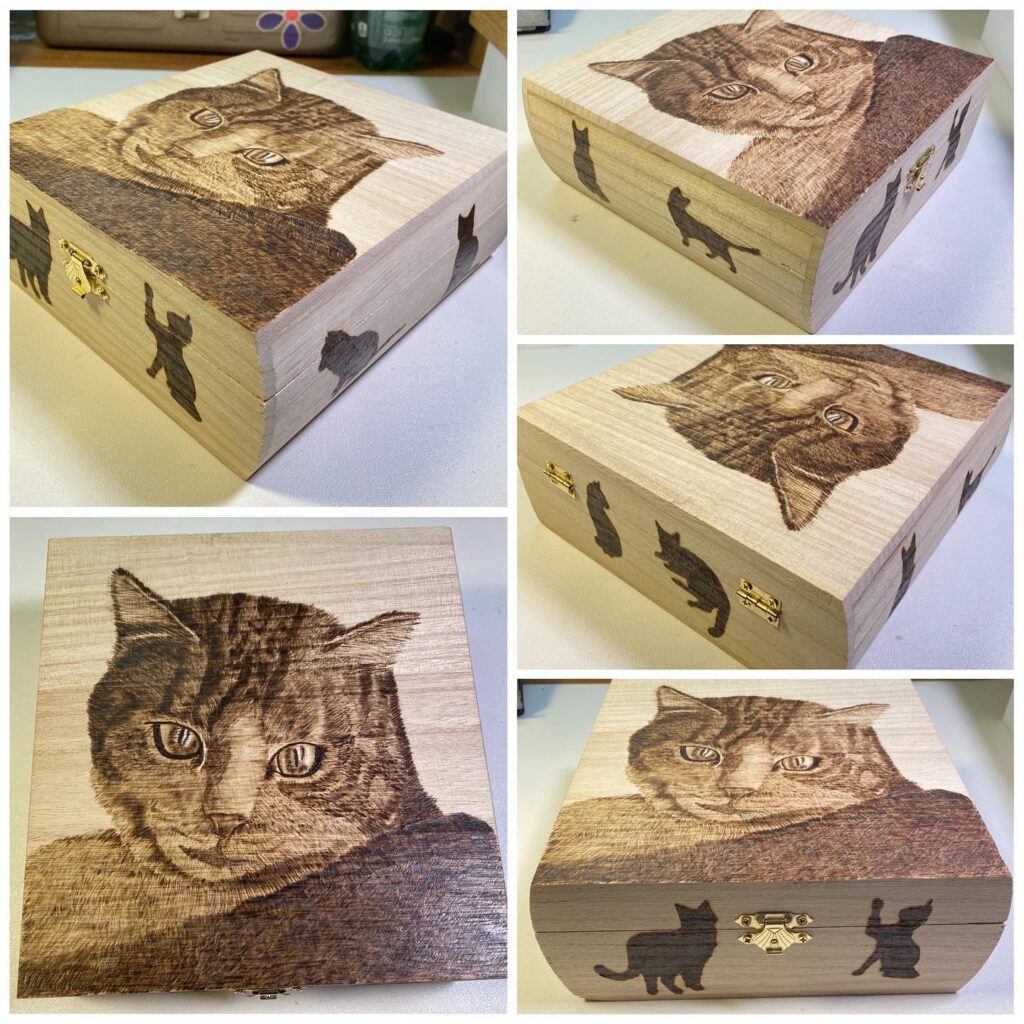
Wooden Boxes
Wooden boxes are one of the most popular surfaces for pyrography because they combine art with function.
A simple design on the lid can transform an ordinary box into something personal and meaningful. Jewelry boxes, keepsake boxes, and memory chests all work beautifully for this.
The main challenge with boxes is working around edges and corners. Your burner tip won’t always lie flat against the surface, so slow and controlled strokes become important.
Kitchen Tools and Utensils
Wooden spoons, spatulas, and cutting boards are another common surface for wood-burning artists.
The designs are often simple: leaves, geometric patterns, initials, or small decorative borders.
Because these items are functional, placement matters. Designs should stay away from areas that experience heavy wear or direct food contact.
It’s also important to remember that not all finishes are food-safe. If the piece will be used in the kitchen, always research appropriate sealants.
Ornaments and Small Projects
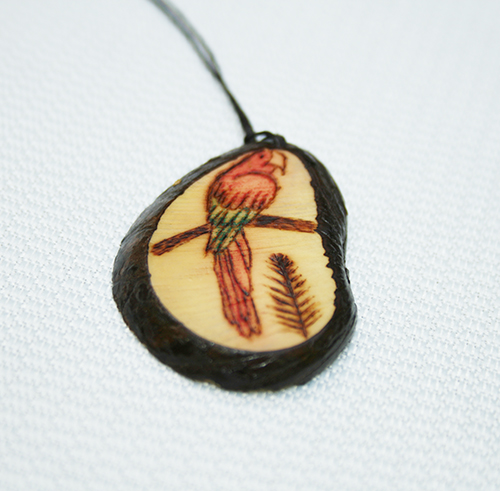
Small wooden ornaments are perfect for practicing detail work. They require precision, but they also allow for experimentation without committing to a large piece.
Because the surface area is limited, designs need to stay simple. A small animal silhouette, a mountain line, or a few decorative patterns can work beautifully.
These tiny projects are also excellent practice for improving control with your burner.
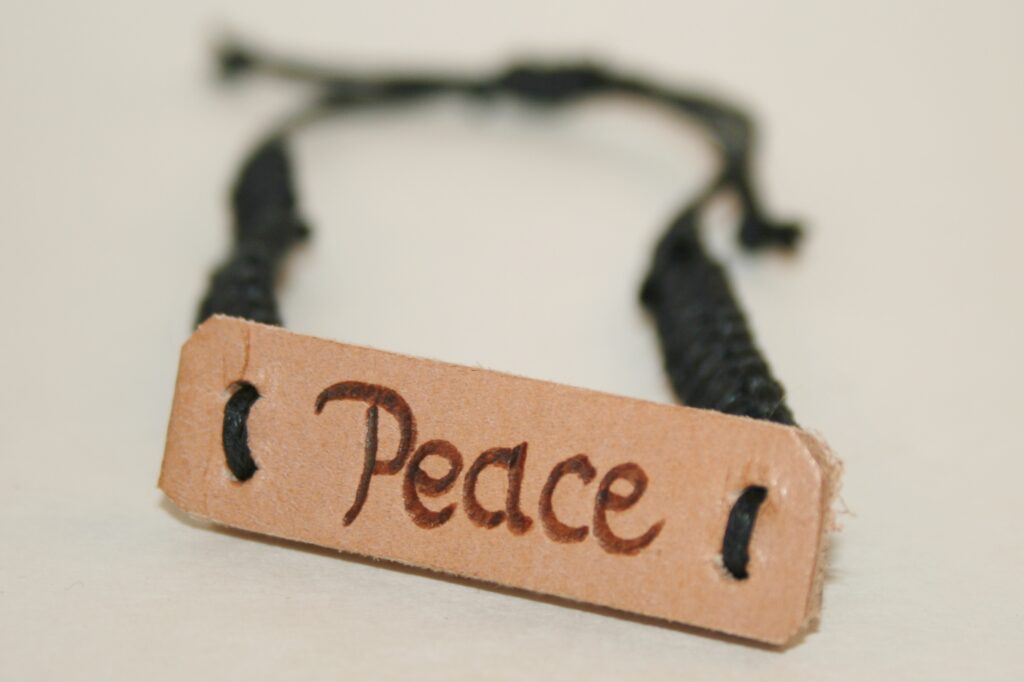
Leather and Other Materials
Pyrography is not limited to wood. Leather is another surface that responds well to heat.
The technique is slightly different, as leather burns faster and requires a lighter touch. The results, however, can be striking. Patterns, symbols, and decorative borders all translate beautifully.
Working with new materials encourages you to slow down and observe how heat interacts with the surface.
Expanding Your Creative Canvas
One of the joys of pyrography is realizing that almost anything made of natural material can become a canvas.
A plain object becomes personal once it carries a burn mark that was made by hand.
That’s the quiet magic of this craft. Fire turns ordinary objects into something that holds a story.