This is usually the point where people start saying things like,
“I’m not really good at design,” or
“I need a pattern because I don’t know what to draw.”
I say this as someone who still questions her abilities: design isn’t talent, it’s literacy. And like any language, it starts with a very small alphabet.
Basic patterns are not boring. They’re foundational. They teach your hand how to move, your eye how to see, and your brain how to stop panicking when faced with a blank piece of wood.
If you’ve ever frozen before starting a burn, this lesson is for you.
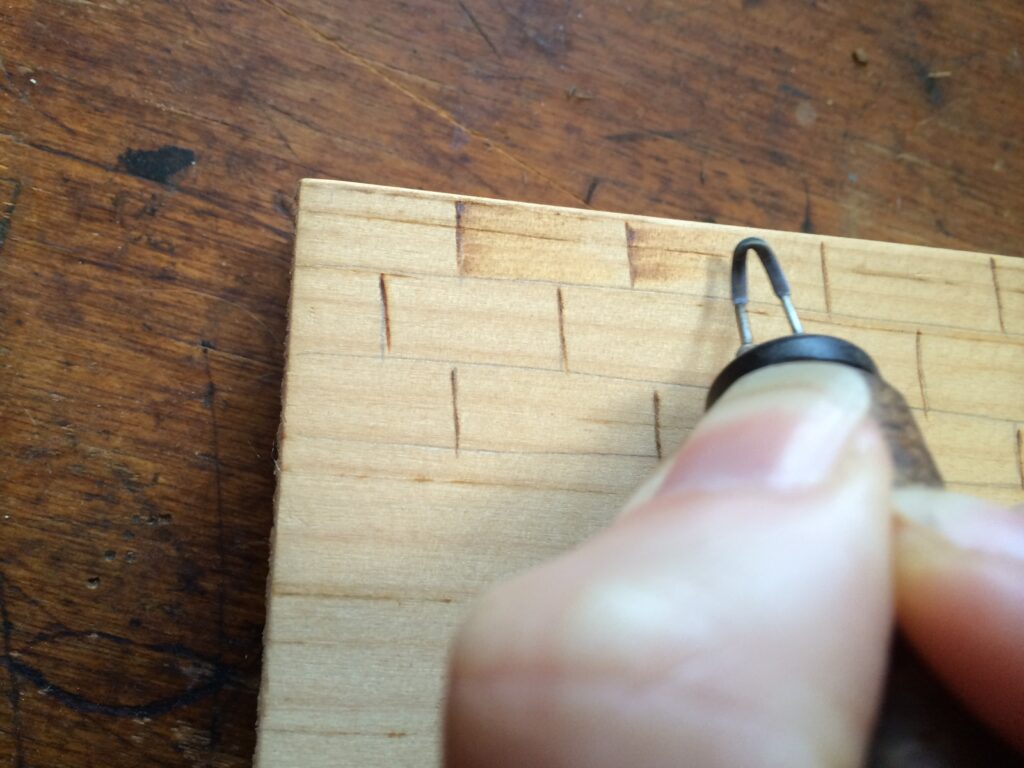
What “basic patterns” actually mean
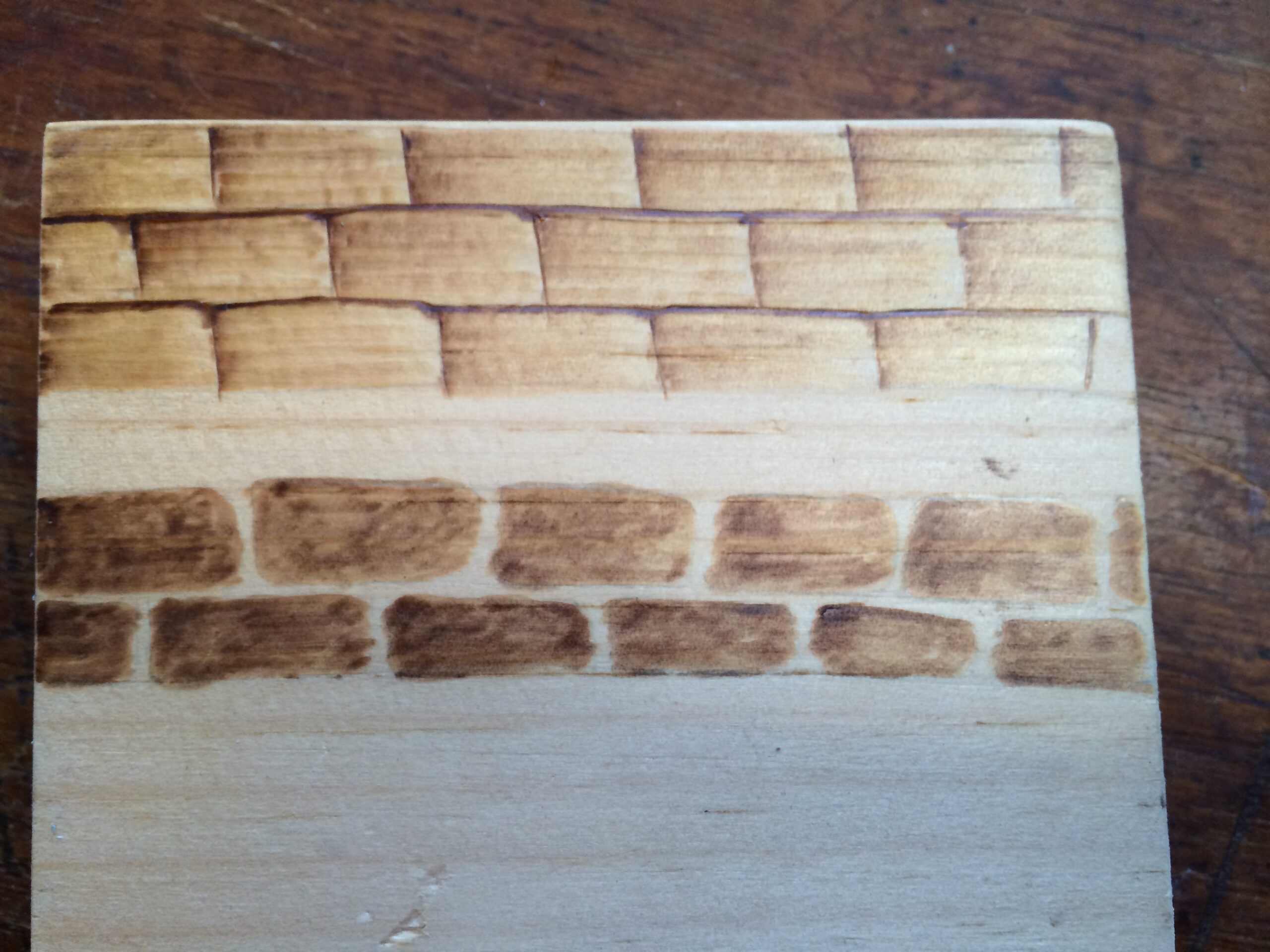
When we talk about basic patterns in pyrography, we’re not talking about finished artwork. We’re talking about repeatable shapes and motifs that can be arranged, mirrored, stacked, and combined.
Think:
- dots
- lines
- curves
- triangles
- circles
- leaves
- waves
These are the building blocks. Every complex design, mandalas, borders, Celtic knots, florals comes back to these shapes.
You don’t need imagination here. You need repetition.
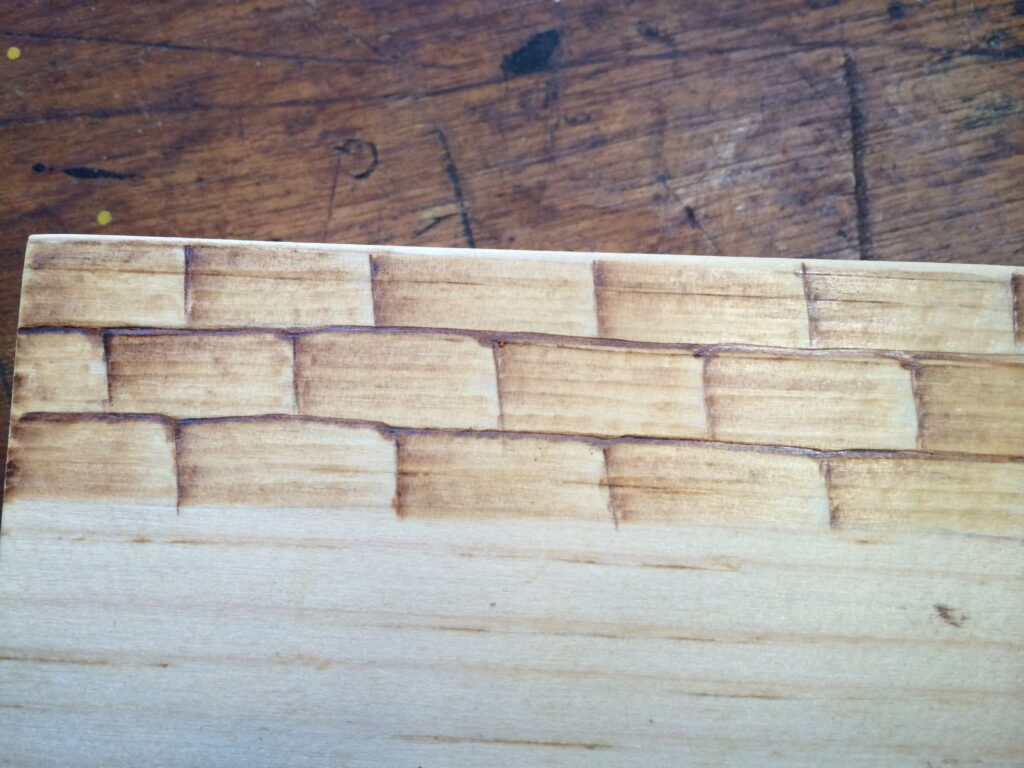
Why patterns matter more than drawing skill
Here’s the uncomfortable truth:
People who “aren’t good at drawing” often do better in pyrography once they embrace patterns.
Why?
- Patterns reduce decision fatigue
- Repetition builds muscle memory
- Mistakes blend instead of standing alone
Patterns also give you something priceless early on: momentum.
You’re not asking, What should I make?
You’re asking, How evenly can I repeat this?
That shift alone lowers anxiety.
Starting with geometric patterns (and why they work)
Geometric patterns are your best friend at this stage.
They:
- don’t require realism
- forgive minor wobbles
- teach spacing and pacing
Start with:
- parallel lines
- zigzags
- grids
- concentric circles
Burn them slowly. Don’t decorate them yet. Let the pattern itself be the lesson.
If you’re tempted to “fix” a line, pause. Patterns teach you to move forward instead of reworking every mistake.
That’s a skill you’ll need later.
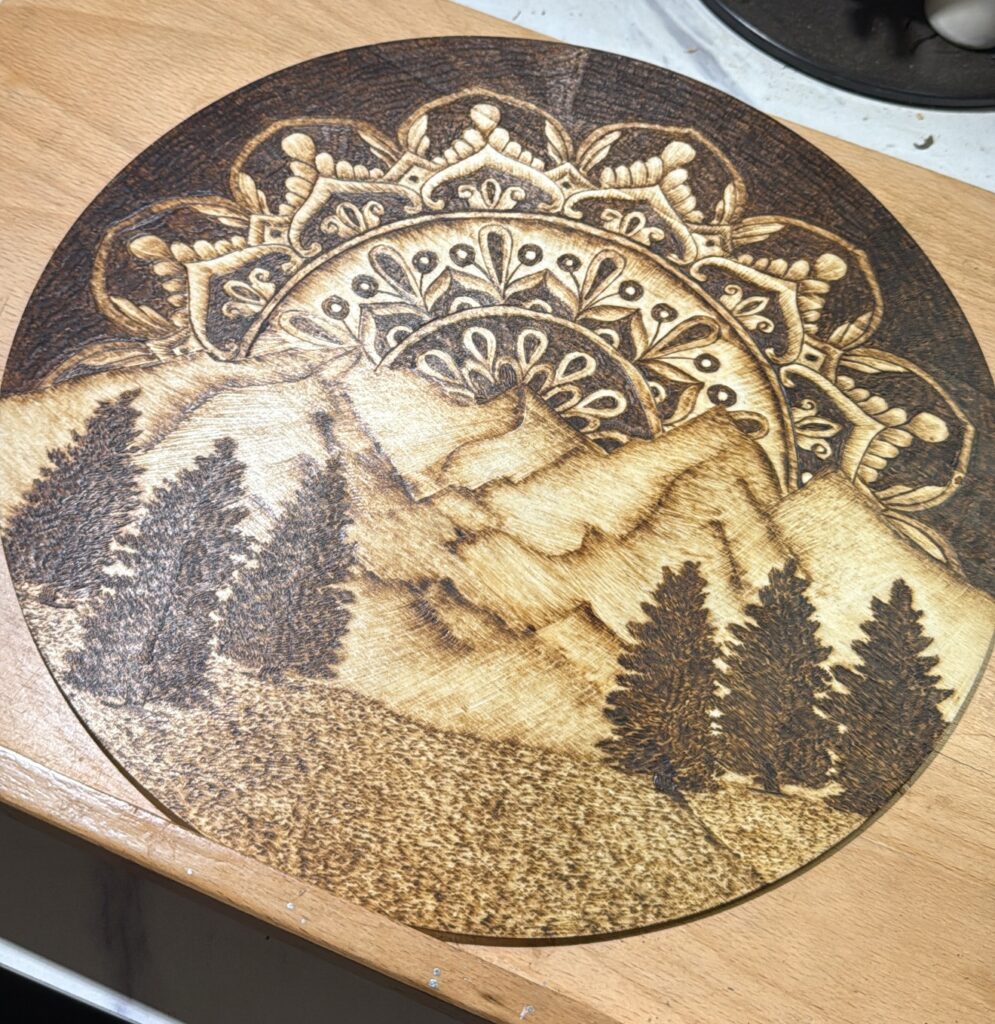
Simple motifs: adding personality without pressure
Once lines and shapes feel less awkward, introduce simple motifs:
- teardrop leaves
- petals
- feathers
- spirals
These are still patterns, but they feel more expressive.
Here’s the key:
You’re not designing art yet.
You’re learning how shapes behave under heat.
This is practice that looks like progress, and that matters for motivation.
The confidence shift that happens here
This lesson isn’t about making something “good enough to sell.”
It’s about proving to yourself that:
- you can start
- you can continue
- you can finish
Patterns remove the drama. And once the drama is gone, creativity sneaks in quietly.