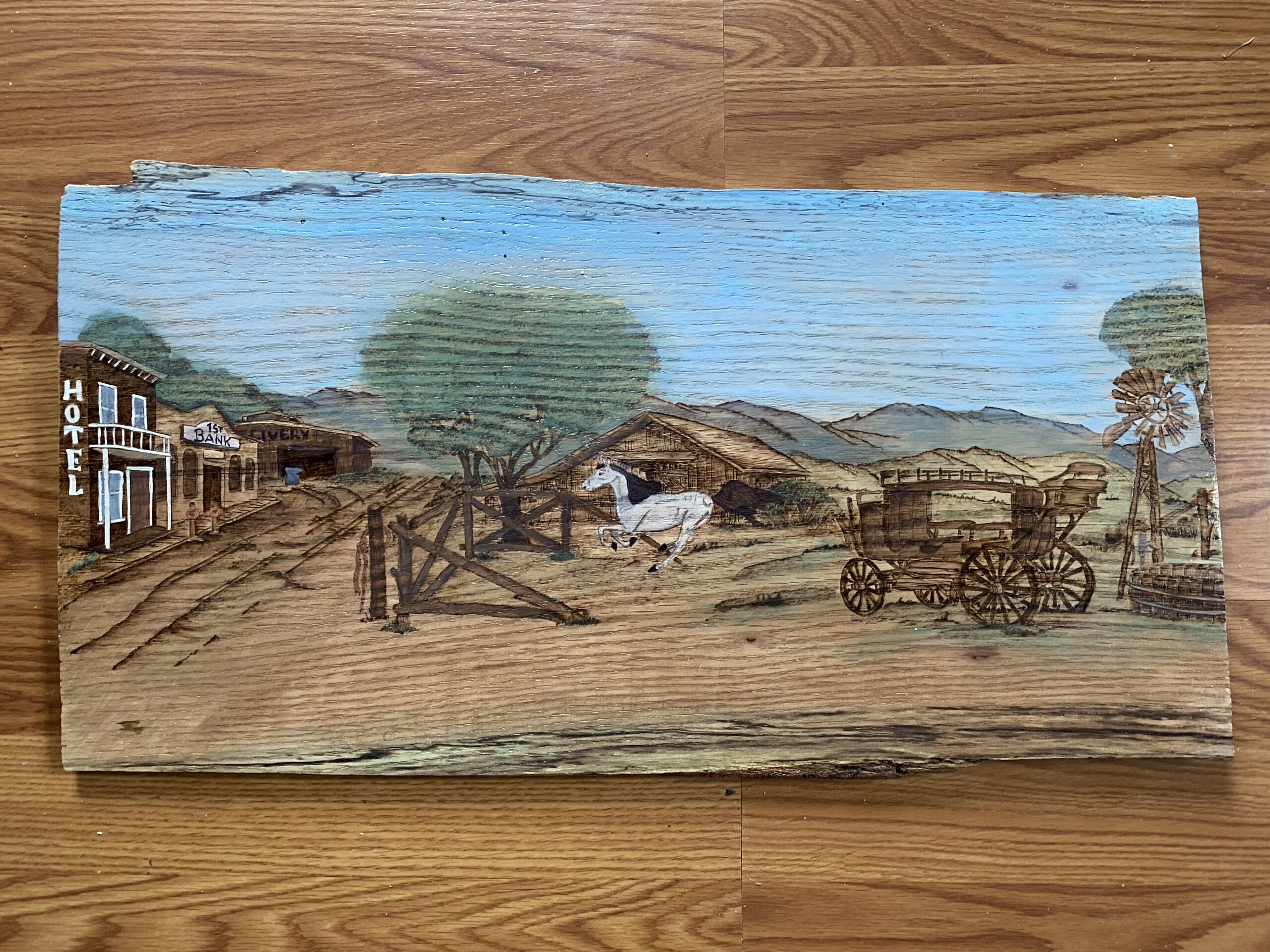
Before I tell you what you can burn over, we need to talk about safety, because mixed media pyrography isn’t just an artistic choice. It’s a health decision.
I care about my lungs. I care about the people near me. And I care about not slowly poisoning myself in the name of a cool background effect.
So let’s get grounded in reality first, then we’ll talk about paint, stain, and what actually works.
Start here: safety is not optional
Pyrography is literally heat meets material. That means whatever is in the material becomes airborne. If you don’t know what’s in it, you’re guessing with your health.
Sanding safety (yes, this counts)
All sanding should be done outside whenever possible, and wearing a dust mask is a really good idea. Long-term exposure to fine wood dust has been linked to respiratory issues, allergic reactions, and other not-fun health outcomes.
Mold can also be present in wood (especially stored or reclaimed pieces), and sanding releases it straight into the air.
Bottom line:
Smooth wood is good.
Breathing dust is not.

Wood choice matters more than most people think
Burning natural, untreated wood is generally considered okay, but not all woods behave the same.
Some woods can release toxic compounds, especially when:
- ventilation is poor
- heat is high
- burning sessions are long
Ventilation is always recommended, mask or not.
If you want to research wood toxicity properly, one solid reference is The Wood Database. It’s a great place to look up species-specific notes before committing to a project.
Woods to approach with caution
The following woods are often flagged due to fungal contamination or natural compounds that can cause irritation when burned:
- Beech
- Ash
- Birch
- Maple
Pine deserves its own mention. Pine resin can release strong, irritating fumes when burned and may cause respiratory discomfort. That doesn’t mean you can’t use pine, but wearing a mask and ensuring good airflow is smart.
And let me be very clear:
Never burn on:
- Prepared or treated wood
- Medium Density Fiberboard (MDF)
- Plywood
- Man-made boards
- Pressed or composite materials
Prepared wood has been chemically treated. MDF and engineered boards contain binders and resins that release seriously toxic fumes when heated. Some are linked to cancer risk.
This isn’t dramatic. This is chemistry.
I don’t burn on prepared wood. Period.
I cherish my health and my life.
Plastics, acrylics, and the hard “no” list
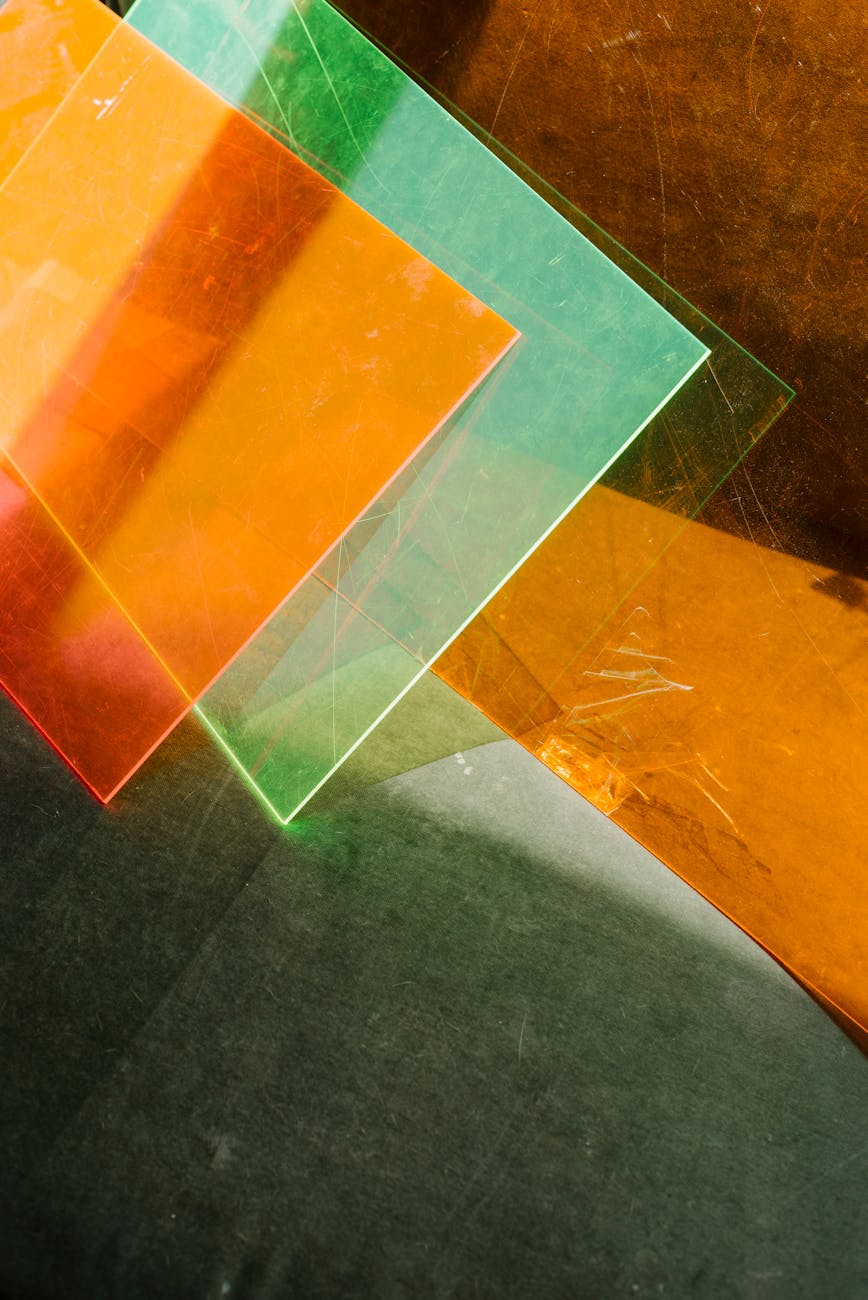
Do not burn on:
- Plastic
- Plexiglas
- Lucite
- Acrylic sheets
- Press-and-seal or similar films
Burning plastic releases fumes that are immediately harmful. If it smells sharp, chemical, or sweet in the wrong way. That smell is your warning system doing its job.
Paper also falls into the “processed material” category. I don’t personally burn on paper, and I recommend caution. If someone really wants to explore it, they should contact the manufacturer and ask about processing and safety. Otherwise, skip it.
Yes, amazing art exists on paper.
No, that doesn’t automatically mean it’s safe to burn.
Pigments, inks, and pattern transfers: the quiet risk
Pigments and inks are tricky. There’s still limited research on what happens when many of them are reheated.
For that reason, I don’t recommend burning over:
- inks
- printed outlines
- chemically produced pigments
That includes printing your pattern and burning over the ink. I know it’s common. I’ve seen the videos. I still won’t do it.
If you need to transfer a pattern:
- Graphite paper is generally considered safer
- Keep the graphite very light
- It should be a guide, not a coating
If you’re burning hot enough to create visible smoke, turn the heat down and improve ventilation. I rarely burn that hot. If I need a charred look, I use a torch intentionally—not my pyrography pen.

Leather note (because people ask)
If you burn leather:
- Vegetable-tanned leather only
Chrome-tanned or metal-tanned leather can release extremely dangerous fumes when burned. If you don’t know how the leather was tanned, assume it’s unsafe.
Tool safety still matters
Solid-temperature craft-store burners can get extremely hot. Always:
- use the stand provided
- keep your hand away from the tip
- never rest the pen directly on your work surface
And please—do not leave a hot burner unattended.
Children are fascinated by fire. Pets are curious. Accidents happen fast.
When the burner is not in use: turn it off.
Regular inspections help too. If the cord gets hot but the tip doesn’t, something’s wrong. Some burners allow for replacement cords—use that option instead of pushing through a problem.
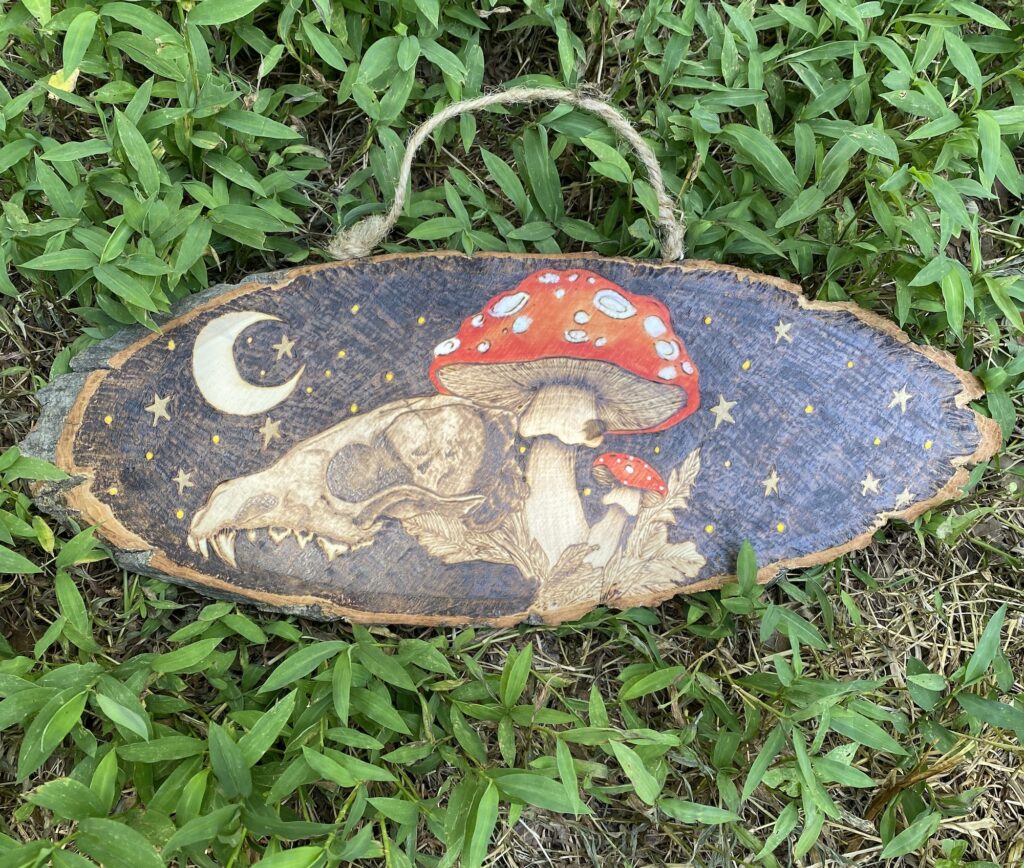
Now… can you burn over paint or stain?
With all that said, yes, sometimes. But only with intention and restraint.
Paint: what works and what doesn’t
Acrylic paint is water-based but becomes plastic once dry. Burning over thick acrylic is a no. Burning over very thin, fully cured acrylic washes can work in limited cases.
Expect:
- less heat penetration
- skidding lines
- faster tip buildup
Acrylic works best as a background, not a burn surface.
Watercolor is more forgiving. It soaks into the wood instead of forming a film, which allows the grain to remain accessible. This makes it one of the safest and most practical options for mixed media pyrography.
Let watercolor dry completely before burning, use lower heat, and test first.
Stain: proceed carefully
Water-based stains can sometimes be burned over if they are:
- fully cured
- lightly applied
- wiped back properly
Lines will burn darker and faster. Great for bold, rustic work, not ideal for delicate shading.
Oil-based stains are a hard no.
They contain solvents that release toxic fumes when reheated. Burn first. Stain later. Always.
Sealers and finishes: never burn over them
Polyurethane, varnish, lacquer, shellac, wax, resin—none of these are safe to burn over. They seal the wood, trap heat, and release fumes immediately.
All burning happens before sealing. No exceptions.
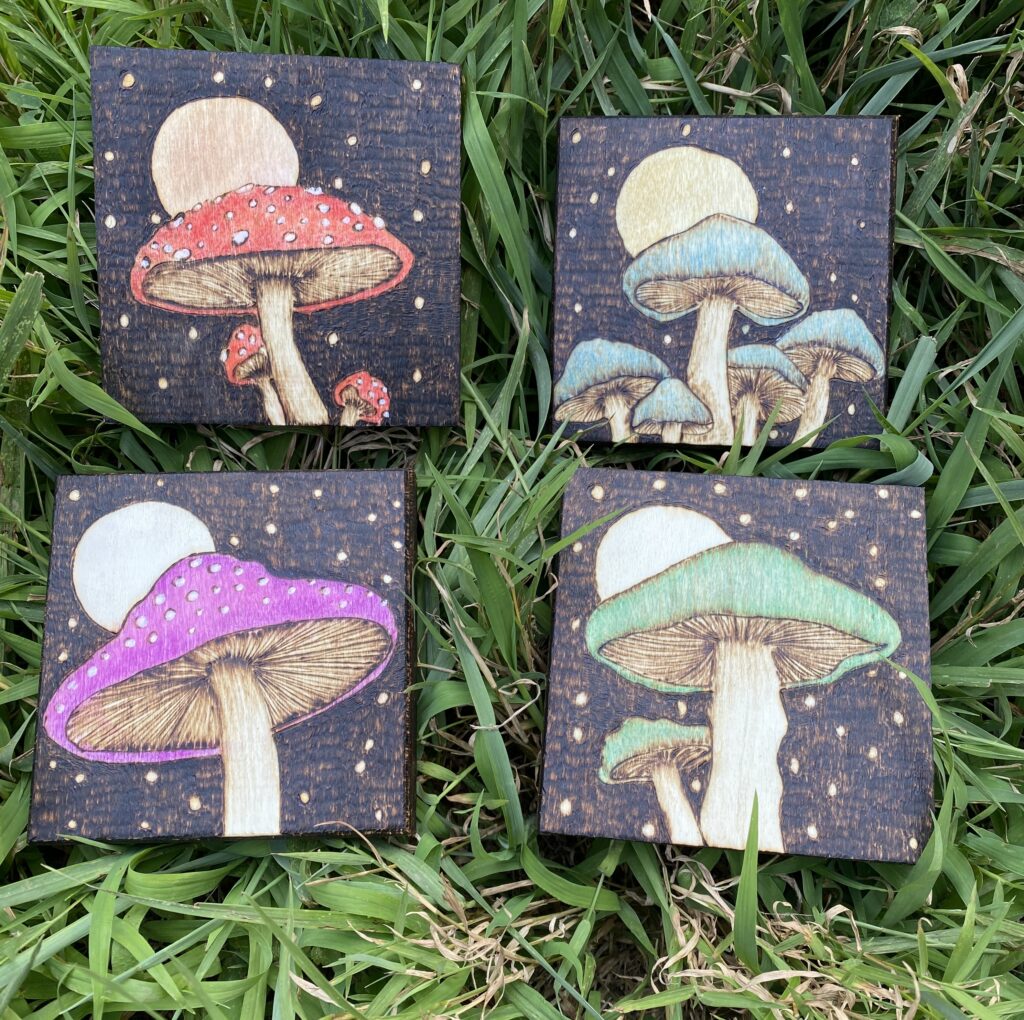
A workflow that keeps you sane (and safe)
This order works in most cases:
- Burn first
- Add color second
- Light detail touch-ups only if absolutely necessary
- Seal last
Mixed media pyrography rewards planning. Burning over paint should be a deliberate choice—not a fix for skipped steps.
The real takeaway
You can burn over paint or stain, but only when:
- you know exactly what the material is
- you understand how heat behaves on that surface
- you’re willing to accept limitations
Bare wood is still the most predictable, forgiving surface there is. Everything else is a creative risk, and risks should be chosen consciously.
Your art matters.
Your health matters more.
If you’re unsure, test first, ventilate well, and err on the side of caution. Fire doesn’t forgive guesswork.