If you’ve ever tried burning on a piece of wood that felt scratchy, uneven, or unpredictable, chances are the issue wasn’t your skill. It was the surface, and as such, not all wood is equal.
One of the most overlooked steps in pyrography is preparing the wood before you ever turn on your burner. Many beginners assume they can simply buy a plaque or board and start burning immediately. Sometimes that works. Most of the time, it leads to frustration.
Proper surface preparation changes everything. It allows your burner to glide smoothly, your lines to stay consistent, and your shading to look intentional instead of patchy.
And the good news is that it’s not complicated.
Why Wood Preparation Matters
Wood is a natural material, which means every piece is different. Even two boards from the same species can behave differently depending on the grain, moisture content, and how the surface was finished.
When the wood surface is rough or uneven, several problems show up immediately.
Your burner catches on the grain instead of gliding smoothly.
Lines wobble or become thicker than intended.
Shading becomes blotchy instead of gradual.
Dark spots appear where the heat catches on rough fibers.
A properly prepared surface eliminates most of these issues before they start.
Instead of fighting the wood, you work with it.
Choosing the Right Wood to Begin With
Preparation starts with selecting a good surface.
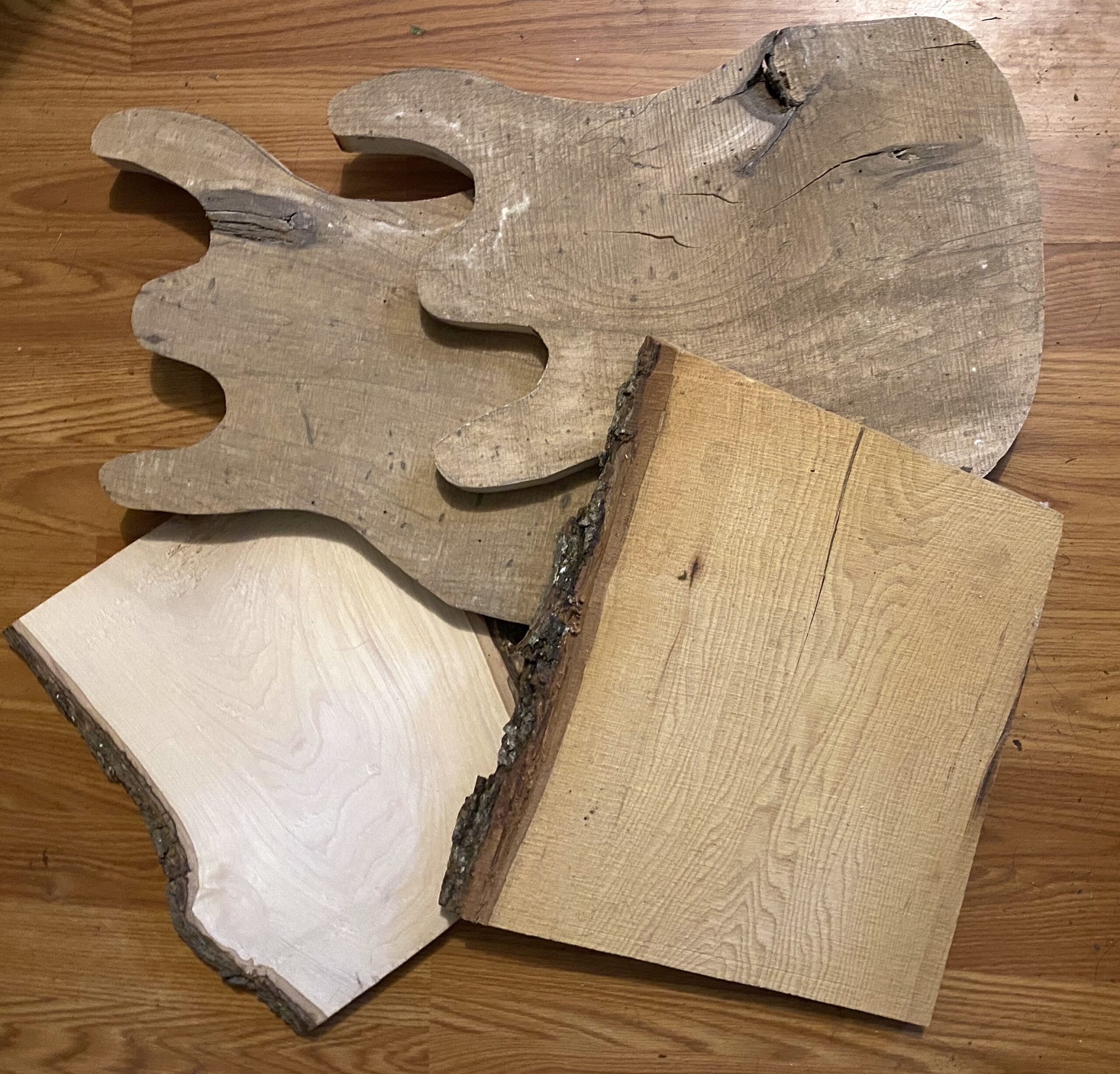
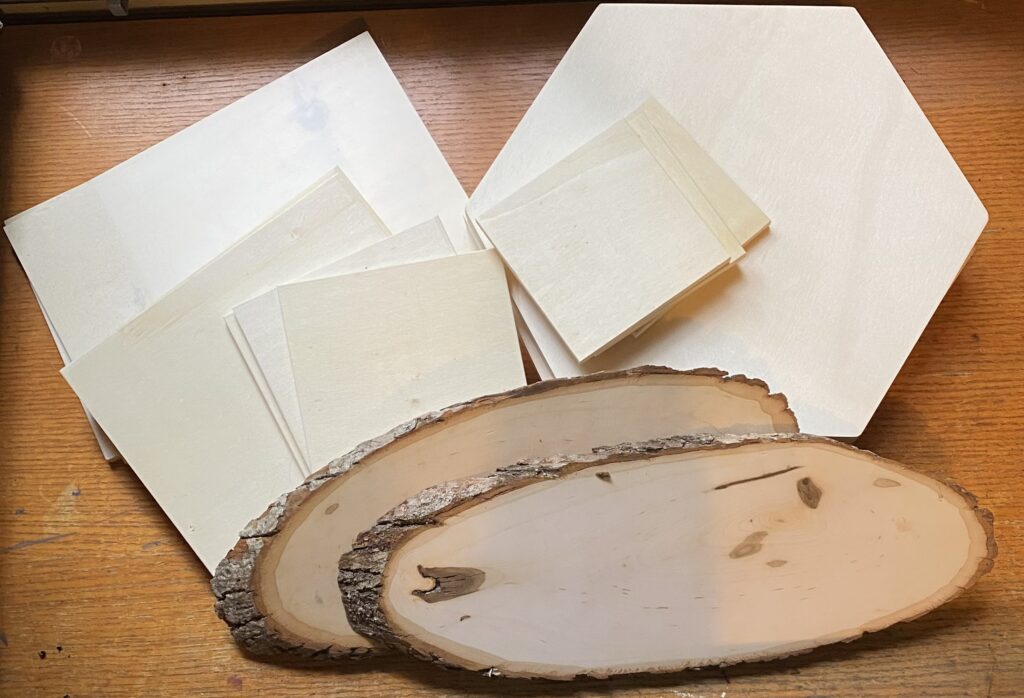
Soft, light woods tend to work best for pyrography because they burn evenly and show contrast well. Basswood is widely considered the easiest wood for beginners because of its fine, consistent grain. Birch plywood is another common choice because it’s affordable and widely available.
Some woods, however, can be frustrating for beginners.
Oak has strong grain patterns that cause the burner to jump. Pine contains resin pockets that can produce uneven burns. Hardwoods like maple or walnut require more heat and control.
If you want a smoother learning experience, start with wood that burns predictably and then move into more challenging materials later.
The Simple Sanding Process That Makes a Huge Difference
Sanding is the step that transforms an average surface into a great one.
Most commercially available wood blanks are machine-sanded, but they are rarely smooth enough for detailed pyrography. Even if the surface looks smooth, tiny fibers and ridges can interfere with your burner.
Start with a fine-grit sandpaper, typically around 220 grit. Sand lightly along the direction of the grain rather than across it. This helps remove rough fibers without scratching the surface.
After the first pass, wipe the board clean and run your hand across it. If it still feels rough, move to an even finer grit like 320.
The goal is not to remove a lot of material. You’re simply refining the surface so the burner can move without resistance.
When the wood feels almost silky to the touch, you’re ready to burn.
Removing Dust Before Burning
After sanding, wood dust will sit on the surface and inside the grain. If you start burning immediately, that dust can scorch and create unwanted marks.
A simple wipe with a slightly damp cloth or a tack cloth removes the fine particles. Let the wood dry completely before beginning your burn.
This small step prevents a surprising amount of frustration later.
A Simple Test Before You Start Your Project
Before committing to your design, it’s always worth testing your burner on a corner or scrap piece of the same wood.
This quick test tells you several things immediately.
How easily the wood darkens.
How smoothly the tip moves across the surface.
Whether the grain will affect your lines.
That thirty-second test can save you hours of frustration.
The Difference You’ll Notice
Once you start preparing your wood properly, the improvement is immediate.
Your lines will look cleaner.
Your shading will become more consistent.
Your burner will feel easier to control.
Most importantly, the process becomes far more enjoyable. Instead of struggling against the material, you can focus on the design and the burn itself.
And that’s when pyrography starts to feel less like a technical challenge and more like the creative craft it’s meant to be.