
Committing to a long-term creative pyrography challenge sounds romantic.
Lighting the wood burner.
Starting fresh every week.
Watching your skills magically improve.
Reality?
It’s messier. Slower. More honest.
At the halfway point of 52 Weeks of Fire, I’ve completed 26 weekly wood-burning projects, and this post isn’t a highlight reel. It’s a real check-in on what consistent pyrography practice actually looks like, what’s changed, and why structure matters more than motivation when you’re serious about improving your wood burning skills.
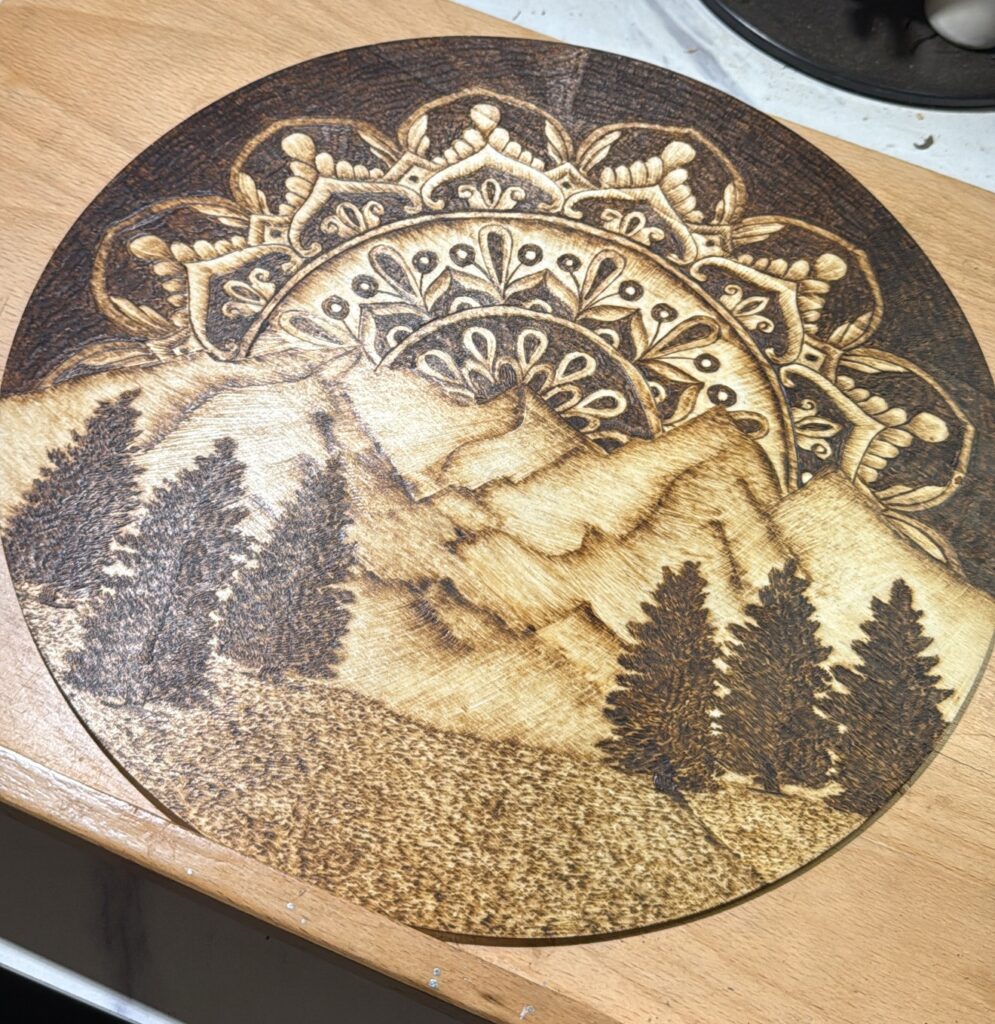
Why I Started a 52-Week Pyrography Challenge
Like many wood-burning artists, I didn’t struggle with ideas; I struggled with follow-through.
I’d jump between styles.
Start pieces I never finished.
Avoid techniques that felt uncomfortable.
So instead of chasing inspiration, I built a framework.
52 Weeks of Fire is a year-long pyrography challenge built around one simple rule:
Show up once a week and burn something with intention.
Each prompt focuses on a different skill set, line work, shading, texture, composition, storytelling, contrast, without overwhelming the process.
This wasn’t about perfection.
It was about practice.
What Actually Changed
Halfway through the challenge, the biggest change isn’t my tool control, it’s my mindset.
1. My Line Confidence Improved (Without Me Trying to “Fix” It)
Early weeks were shaky.
Overworked lines. Hesitation burns.
By week 26, my lines are calmer, not because I practiced lines in isolation, but because I practiced finishing pieces. Confidence came from repetition, not drills.
2. I Stopped Overworking Every Piece
One of the biggest breakthroughs was learning when to stop.
Not every burn needs:
- Maximum contrast
- Every texture technique
- A fully rendered background
Some of the strongest pieces from weeks 15–25 worked because I left space.
3. Backgrounds Became Intentional, Not Afterthoughts
Early projects treated backgrounds as something to “fill in.”
Midway through the challenge, backgrounds became compositional tools, setting mood, framing subjects, controlling focus.
That shift alone leveled up my work.
4. I Learned to Trust the Process (Even When I Didn’t Love the Prompt)
Some weeks clicked instantly.
Others felt awkward.
But those uncomfortable prompts, abstract flow, animal patterns, negative space, and seasonal storytelling are the ones that taught me the most.
Structure forced growth.
The Real Power of a Weekly Wood Burning Practice
If you’re trying to improve your pyrography skills, here’s the truth:
You don’t need more patterns.
You don’t need better tools.
You don’t need to wait until you “feel inspired.”
You need consistent, low-pressure practice with direction.
That’s what this challenge provides.
Instead of asking “What should I burn?” every week, I ask:
How can I explore this idea honestly?
That shift changes everything.
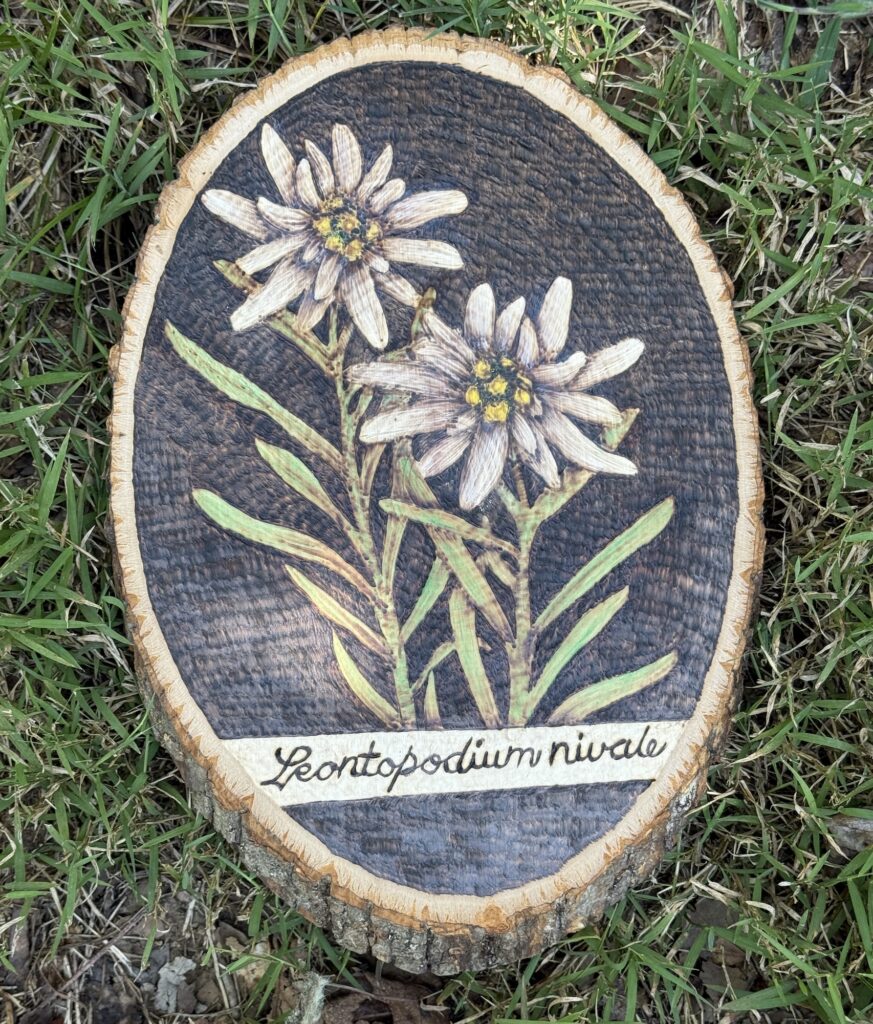
Why Structure Beats Motivation Every Time
Motivation fades.
Habits stick.
The reason 52 Weeks of Fire works isn’t discipline, it’s design.
- One prompt per week
- Clear creative focus
- No pressure to be perfect
- Permission to experiment
That’s how real skill develops.
If you’re stuck cycling between starting and stopping, structure is the missing piece.
Want to Join the Challenge?
If you’ve been watching from the sidelines, this is your invitation.
You don’t need to “catch up.”
You don’t need to be advanced.
You just need to start where you are.
52 Weeks of Fire is designed for wood-burning artists who want to:
- Improve pyrography skills without burnout
- Build consistency
- Explore technique through guided prompts
- Actually finish their work
Join 52 Weeks of Fire
Halfway through, one thing is clear:
Progress doesn’t come from doing more.
It comes from showing up, one intentional burn at a time.