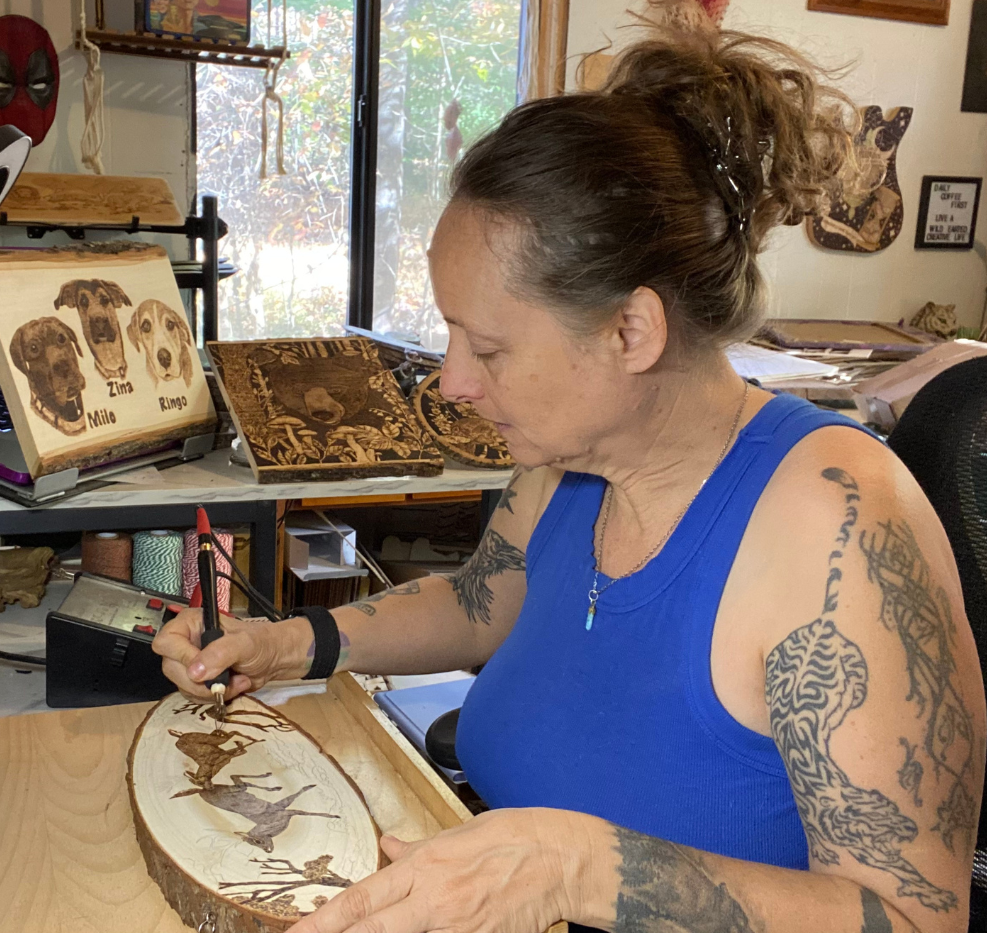
When I first started wood-burning, I bought a wood-burning pen for $20 buck at our local craft store. It was a basic burner, and you had to wait for it to cool down before you could change out the tip. It did not have a temperature control feature as they exist today.
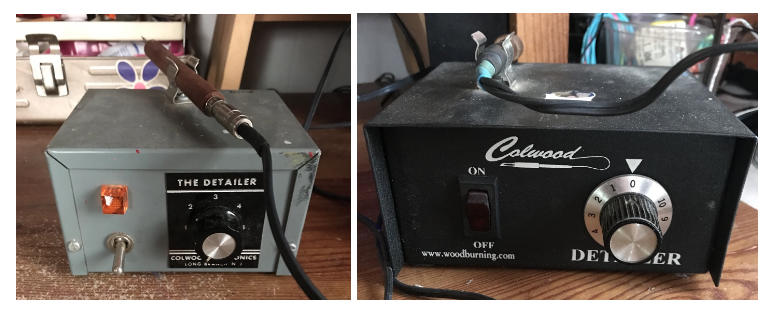
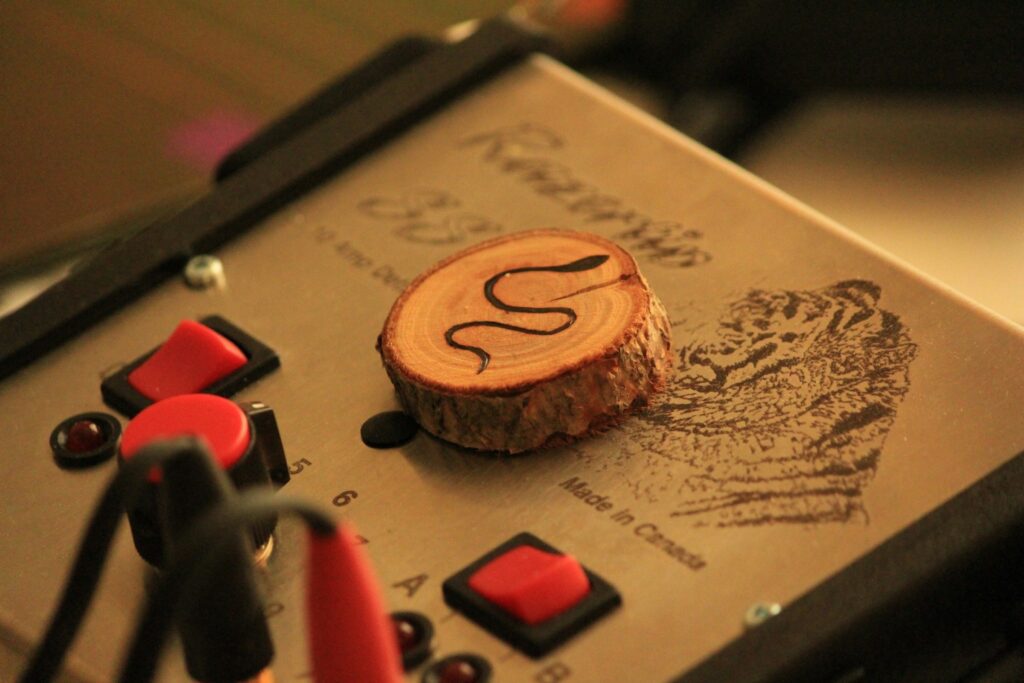
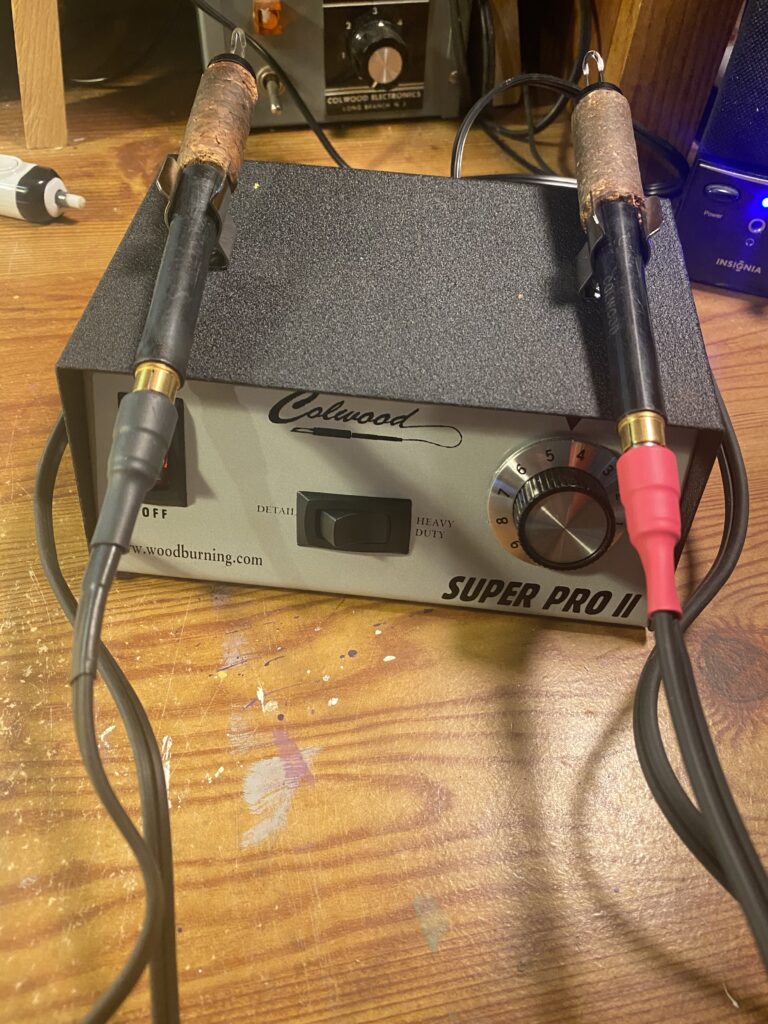
I very quickly saved the money to upgrade to a Colwood Detailer and then later to the Colwood SuperPro II. I’ve used both machines for 20 years and then changed to a RazorTip with two pens that allow me to change out the tips with ease and adjust temperature.
If you’re deciding whether to upgrade, here’s what matters: not specs, not hype, not what the product page says, but what changes the moment the tip hits wood.
I’m comparing hobby burners and pro units the way I experience them:
steady heat, clean lines, hand comfort, and whether the tool behaves the same at minute five as it does at minute fifty.
This is for beginners, weekend burners, and small-batch sellers who want consistent results without wrestling their equipment.
What really changes when you move up
A hobby burner can absolutely teach you the basics. Pressure. Stroke speed. How different woods react. There’s nothing wrong with starting there. But I also know it can be a bit frustrating.
But when I switch to a professional unit, the biggest shift is this:
I stop babysitting the heat.
The tool goes from “something I work around” to “something that works with me.”
In real life, that means:
- fewer false starts
- less re-burning
- less wrist tension
- and far fewer moments of “why does this suddenly look wrong?”
And consistency matters, especially once you’re making gifts, taking commissions, or working on pieces where one bad patch is permanent.
Heat control & recovery: where most frustration actually comes from
With many hobby burners, heat drifts. I’ll start a line too light, then suddenly it’s darker than I planned. That’s where blotchy shading comes from.
It’s not you.
It’s a tip that can’t hold a steady temperature.
Professional units usually give me:
- a wider usable heat range
- and faster recovery between strokes
That recovery is everything. Lift the tip, make a pass, come back, and the heat is where I left it. That’s how gradients stay smooth instead of choppy.
What I see on real projects:
- Slow recovery (common with hobby tools): pale starts, dark stops, grainy shading
- Stable heat (common with pro units): even tone, clean edges, smoother transitions
If I’m burning fur, hair, or portraits, that stability becomes non-negotiable. A soft cheek highlight or shadow needs the same warmth every pass. When the temperature doesn’t drift, I can focus on texture, not damage control.
Pen comfort, cord drag, and why your hand gets tired
The first thing I notice with a better pen happens before it touches wood.
It’s lighter.
The grip feels natural.
The heat stays at the tip, not creeping into my fingers.
Cord feel sounds minor until you’re 45 minutes in. A stiff cord drags, bumps your wrist, and pulls you off your line. A flexible cord disappears, and that means fewer wobbles and less hand strain.
Tips are the other big divide.
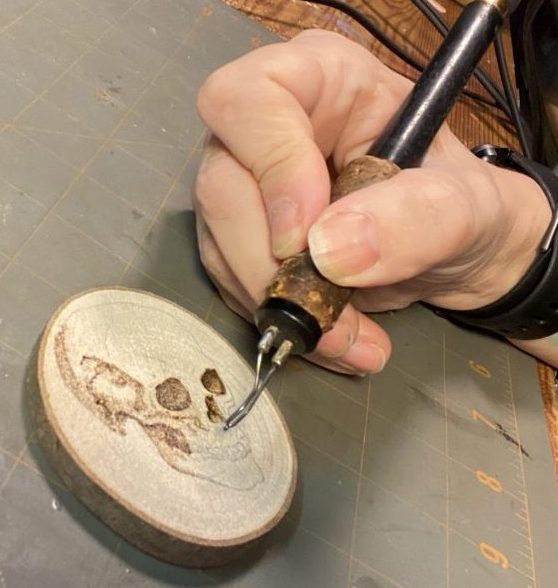
Hobby burners usually lock you into a few basic screw-in tips. Fine for outlines. Limiting fast.
Professional units open things up:
- wire nibs
- ball tips
- shaders
- texture tips
Each one reduces force and increases control.
- Ball tips soften shading
- Shader tips cover area without streaks
- Fine wire nibs give clean, calligraphy-style lines
- Texture tips make stippling and scales less tedious
Skill still comes first—but the right tip turns “I hope this works” into “I know exactly how this will behave.”
The buying checklist I actually use
I ignore hype. I read product pages like I’m buying a used car.
Clear specs. Replaceable parts. Signs the tool will still be usable a year from now.
My price expectations stay simple:
- Budget: learning and light use
- Mid-range: regular weekends, better control
- Pro: long sessions, repeatable results
What I check every time:
- wattage and power stability
- real temperature control (not vague “low–high”)
- pen weight and grip comfort
- tip availability and variety
- replacement parts (easy to find or not?)
- warranty that actually exists
- cord strain relief at the pen and unit
If a listing can’t answer basic questions about tips, parts, or support, that is the answer.
How often you burn changes everything
Frequency matters. So does patience.
- Once a month: a hobby burner can work if you accept slower warm-up and touchy shading
- Most weekends: limitations start showing up fast—especially in lettering and smooth fills
- Selling work regularly: consistency becomes the point. A pro unit pays for itself in saved time and fewer ruined blanks
My simple test:
If a project regularly takes over an hour, comfort and heat stability stop being “nice” and start being essential.
The hidden costs no one talks about
Cheap tools can get expensive.
Tips wear out faster. Heat drifts. Inconsistency ruins wood you already paid for. One scorched sign can wipe out the savings.
I look for tools with real support. If tips are hard to find now, they’ll be impossible later.
Safety & setup: where I don’t compromise
Pyrography is simple, heat meets wood, but the setup still matters.
I want:
- a stable unit
- a solid pen stand
- predictable heat
Consistency also prevents over-burning. I don’t have to hover, press harder, or rush a line.
Ventilation counts too. Wood smoke and finishes irritate fast. I keep airflow moving and avoid burning anything that smells even remotely chemical.
My routine is boring on purpose:
- clear workspace
- heat-safe surface
- test every tip on scrap
- pen goes in the stand every time I pause
- unplug when I’m done—even if I “might come back”
That last one has saved me more than once.
If I’m learning and experimenting, a hobby burner is fine.
If I want predictable heat, longer sessions without hand fatigue, and results that repeat—professional units make the work calmer, cleaner, and more enjoyable.
When I choose, I look at three things:
- how often I burn
- what I make (outlines vs smooth shading)
- what’s frustrating me right now
Write down your top two priorities, control vs cost, comfort vs features, and choose the tool that solves today’s problems, not some imaginary future version of you.